In an ordinary world, I would be getting ready to give a guided walking tour downtown to a bunch of people here for the Creston Valley Bird Fest. Unfortunately, the world is not ordinary. So let me tell you, here, instead, about four kinds of birds that have had an impact throughout Creston’s history:
(PS: Before I get started, I’d just like to draw your attention to the Bird Festival’s alternate plan: the Great Canadian Birdathon. Read more on their website, and make a donation to support this effort to protect Canada’s birds!)
Now back to the history birds:
The Weather Bird: The flock of forty robins that Mrs. Ash saw at her ranch at Alice Siding on 5 January 1926, and the bluebird that Tony Holder spotted in his Erickson orchard in November 1945, are both species of Weather Birds. The first clearly indicates an early spring; the second is an obvious sign of a mild winter.
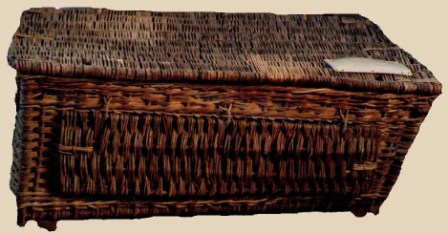
The Novelty Bird: The new, the rare, the unusual. Species in this group include the white robin with the red breast that was happily hopping about Mrs. Monrad Wigen’s house in May 1945. The CPR station has been the arrival point of a number of Novelty Birds – the Ring-Necked Pheasants that were introduced into the Creston Valley in 1913, for example, or the Peacock that Fred Smith brought in in 1919. The Pheasants, of course, quickly got reclassified as Edible Birds (see below), but there’s no word on what happened to the Peacock. Only the one male arrived, so he wasn’t intended for breeding purposes, and if Mr. Smith intended him as a showpiece, he must have been sorely disappointed – CPR crews all along his journey had liberally helped themselves to his tail feathers.
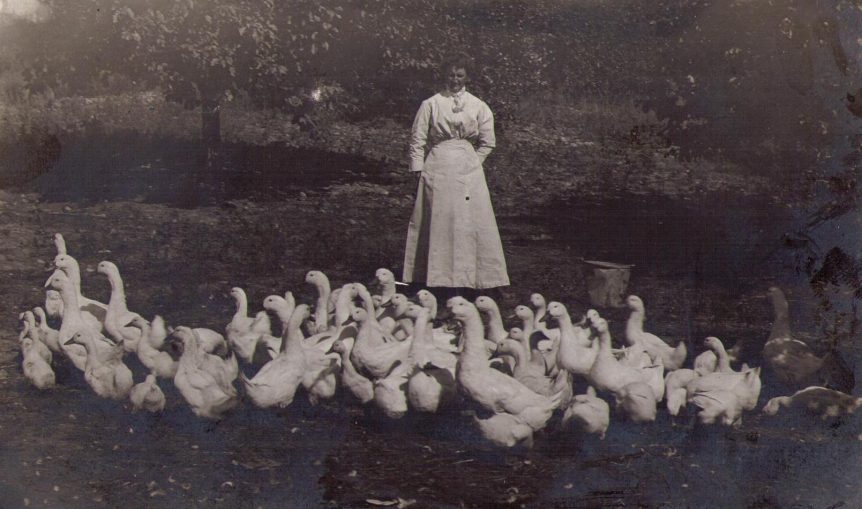
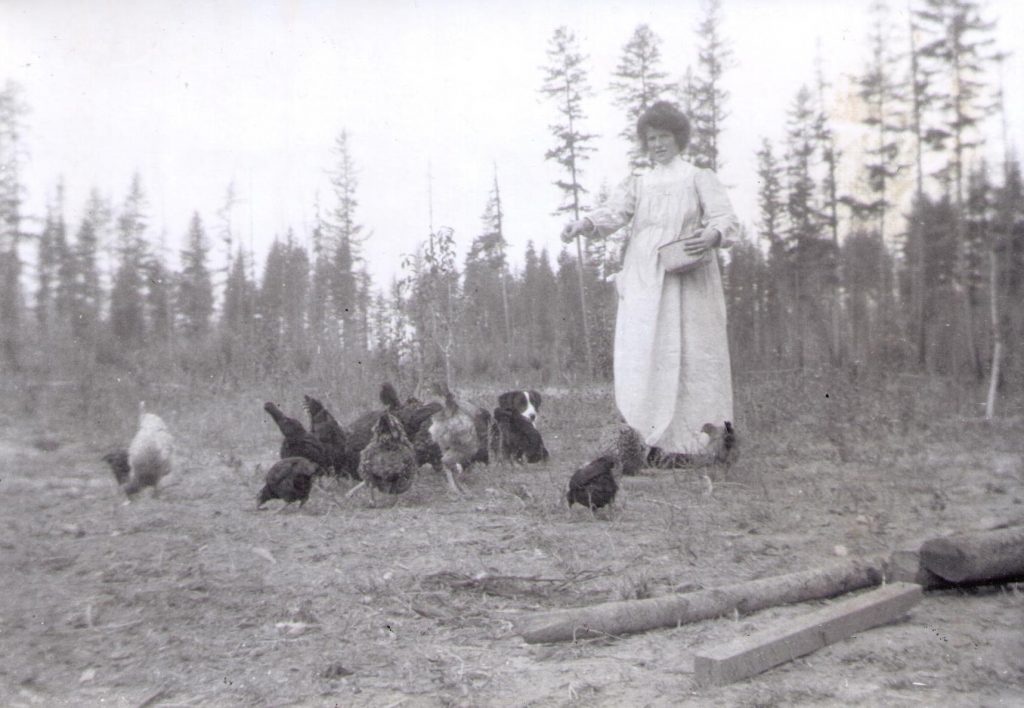
The Edible Bird: This includes a whole range of species – ducks, geese, chickens, turkeys, grouse, pheasants; wild and domestic; imported and endemic. These birds show up in the newspapers, especially in Creston’s early years, with astounding regularity. The columns of the newspaper are filled with interesting stories about double-yolked eggs, prize-winning flocks, opening dates for hunting seasons, the efforts to re-establish the Ring-Necked Pheasant population in 1970 after being hunted nearly to extinction here, and the male turkey owned by James Hobden which, in 1911, was “actually hatching out and caring for a batch of young turkeys, mothering the young birds fully as well as a female bird would do.”
The Nuisance Bird: Again, there is great variety within this group – many different sizes, colours, and behaviours can be readily observed among the Nuisance Birds. The most definitive field mark is the bounty that often accompanies them when they appear in the newspapers – $2 for Great Horned owls, $3 apiece for Golden Eagles in 1911; five cents apiece for Starlings in 1961.
With so much variety, it can sometimes be a bit difficult to determine in which classification a particular bird belongs. The Redhead duck, which first appeared in the Creston Valley in October 1942, was at first classified as a Novelty Bird – until someone read in a bird book that “it is the finest of eating birds known in the duck family,” whereupon it became an Edible Bird.
Once an Edible Bird, almost always an Edible Bird. In 1948, though, in a desperate effort to prevent those floods, the entire town turned out to fill sandbags and stack them against the dykes, hoping they would hold. Supplies were dropped by airplane to the crews working on the flats. One unfortunate duck got hit by a bundle of sandbags. It’s a rare instance of an Edible Bird being reclassified as a Novelty Bird.
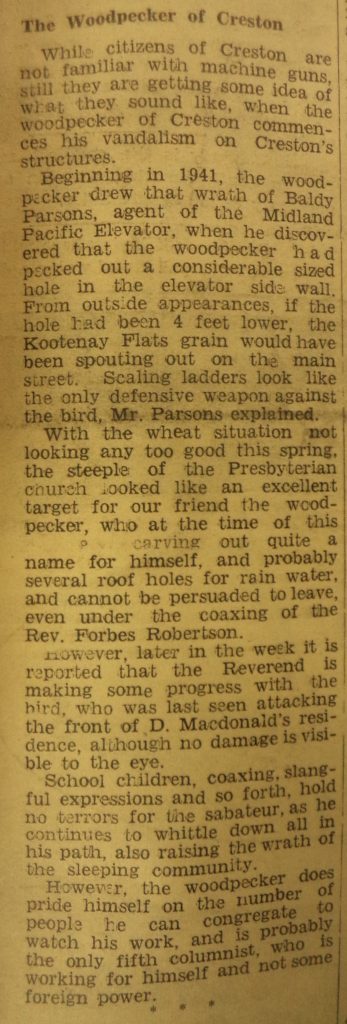
Even more rare is the jump from Nuisance Bird to Novelty Bird, but one lucky bird managed to achieve even that: